

How Commercial Plumbing Really Works in Phoenix—From Someone Who’s Been Inside the Walls
I’ve been working as a licensed commercial plumber in Phoenix for more than ten years, and I’ve learned quickly that most people don’t think about plumbing until it interferes with their business. That usually happens at the worst possible time. Over the years, I’ve seen firsthand why dependable Phoenix Commercial Plumbing Services aren’t a luxury here—they’re part of keeping doors open, tenants happy, and inspections uneventful.
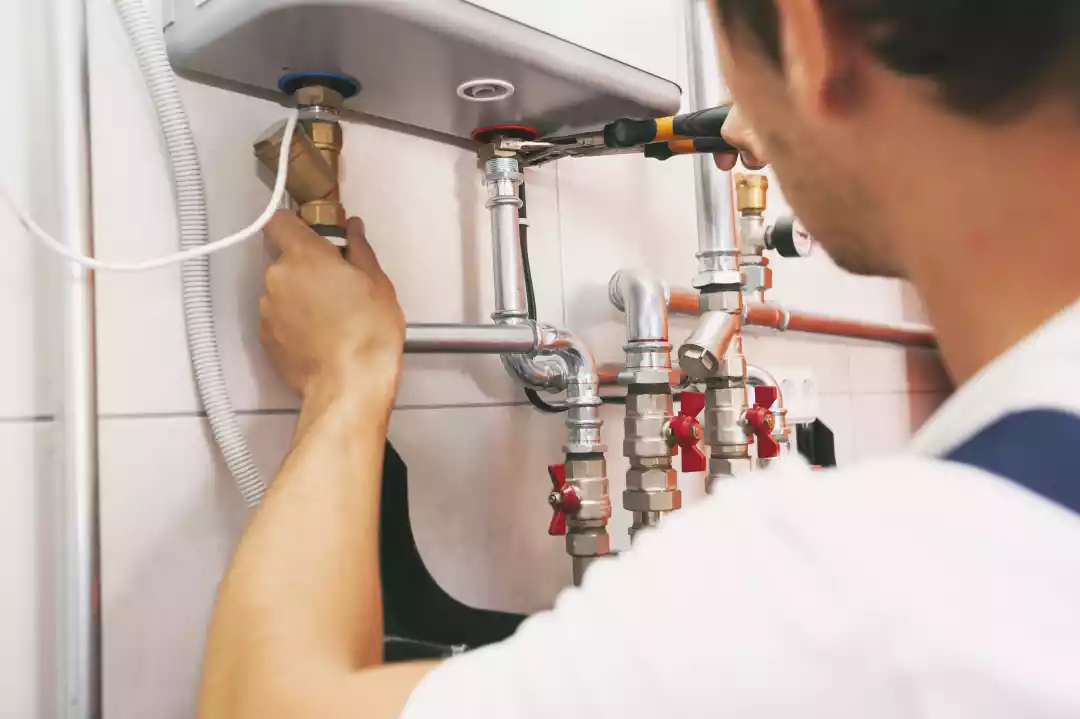
Early in my career, I was called to a mid-sized office building where restrooms on two floors kept losing pressure every afternoon. The building engineer had already replaced fixtures and blamed the city supply. Once I traced the system, the real issue turned out to be an aging booster pump that couldn’t keep up with peak usage. It wasn’t dramatic, but it was disruptive, and it took someone who’d seen similar buildings to recognize the pattern quickly.
Commercial Plumbing Is About Patterns, Not Just Repairs
Residential work trains you to fix what’s broken. Commercial plumbing teaches you to look for what’s about to break. I’ve found that most commercial issues don’t start as emergencies—they start as small irregularities that get ignored because business is busy.
A retail client last summer complained about recurring sewer odors that came and went. Another contractor had flushed lines and moved on. When I inspected the system, I found a rarely used floor drain with a dry trap tied into a long horizontal run. The solution wasn’t expensive, but it required understanding how commercial drainage behaves in buildings that aren’t used evenly throughout the day.
Phoenix adds its own twist. Heat, mineral-heavy water, and constant demand all accelerate wear. I’ve adjusted how I spec materials and size components over the years because what works elsewhere doesn’t always survive long here.
Mistakes I See Businesses Make Again and Again
One of the most common mistakes is treating commercial plumbing like a one-off service instead of an ongoing system. I’ve walked into warehouses where different plumbers handled different repairs over the years, none of them documenting changes. When something finally failed, no one knew what had been modified or why.
Another mistake is focusing only on visible problems. A restaurant owner once asked me to replace a leaking faucet before a health inspection. While I was there, I noticed signs of improper venting behind the wall. He hesitated on addressing it because “it still works.” A few months later, that same venting issue caused slow drains and a temporary shutdown during peak hours. Fixing it earlier would’ve saved stress and lost revenue.
What Experience Teaches You to Watch For
After years in the field, I pay close attention to sounds, pressure changes, and patterns of complaints. Commercial plumbing systems talk to you if you know how to listen. Hammering in pipes, inconsistent temperatures, or fixtures that fail only at certain times of day usually point to systemic issues, not isolated ones.
I’ve also learned to advise against quick fixes that create bigger problems later. In one multi-tenant building, the owner wanted to cap an unused line to stop a minor leak. Based on the layout, I knew that line was part of a loop feeding other units. We rerouted it properly instead. It took more planning, but it avoided future disruptions when tenants expanded their spaces.
Why a Broader Service View Matters
Good commercial plumbing isn’t just about emergencies or installations—it’s about continuity. The plumbers I respect are the ones who think about how today’s repair affects tomorrow’s operation. That mindset only comes from time spent in real buildings, dealing with real constraints like business hours, inspections, and occupied spaces.
I’ve carried my Arizona commercial license long enough to see how shortcuts age. Systems remember every compromise. The buildings that run smoothly years later are almost always the ones where plumbing was approached as infrastructure, not an afterthought.
After a decade of service calls, upgrades, and problem-solving across Phoenix, I’ve learned that strong commercial plumbing keeps businesses invisible in the best way possible—no surprises, no disruptions, just systems that quietly do their job day after day.